
How VW Is Using AI
By Kevin Vela
There are a lot of headlines right now about AI and the legal industry. In light of this focus, we wanted to share how we’re using it at VW.
Build vs. Buy
We have made an intentional decision to build AI solutions, not buy them. The legal tech industry is flooded with AI-wrapped products right now. I get an email every week for a new “AI contract reviewer” or an “AI due diligence tool” promising to revolutionize legal work. Some of these tools are genuinely useful. Most of them are not. And almost all of them are built on top of the same underlying models that we have direct access to anyway.
Build instead of buy means that we are using internal resources to oversee our AI strategy and development. We’re building internal tools, internal workflows, and internal systems — customized to how we practice law and how we utilize judgment to serve our clients. That’s a meaningful distinction. A generic AI product trained on generic data produces generic output. Our internal tools are built on top of decades of VW deal experience, firm-specific context, and how we utilize judgment to provide support to our clients.
This is not a small undertaking for a firm our size. We’re 85 people. But that’s also what makes it an advantage rather than an obstacle. We’re large enough to invest meaningfully and move fast, and small enough to stay nimble, iterate quickly, and deploy changes across the firm in an effort to become more efficient firmwide.
Best-in-Class Models, Not Brand Loyalty
We’re also not religious about any particular AI platform. We will use whatever is best for a given purpose, and we’ll switch when something better comes along — so long as it fits our firm values.
We recently made a firm-wide switch from OpenAI’s ChatGPT to Anthropic’s Claude. That decision came down to two things.
First, alignment. As you may have seen recently, when the Pentagon demanded that Anthropic remove safeguards preventing the mass surveillance of American citizens and the deployment of fully autonomous weapons, Anthropic said no — even at the cost of a $200 million government contract and designation as a “supply chain risk to national security.” Leadership held the line. That’s the kind of company we want to do business with.
Anthropic built Claude on a constitutional AI framework with a genuine moral foundation at its core. That matters to us. We want the tools we use — and the companies behind those tools — to reflect who we are. Our values center on one core principle – above all else be a good person. That means erring on the side of kindness, making the right choice, and treating people the way we want to be treated. We respect that Anthropic sticks to its core values.
Second, Claude is simply better for legal work. The nuance, the reasoning, the ability to handle complex, multi-variable problems — it’s a superior product for what we do day-to-day. When we put them head-to-head on real legal tasks, Claude won. So we switched.
We may move again someday. The AI landscape is evolving faster than anything I’ve seen in my career, and we are not going to commit long-term to any platform — we’re going to do what’s best for our clients in a way that aligns with our values.
We Are Committed to Training
We’ve built ongoing AI training into the fabric of how we operate. Some of it is formal: structured sessions that walk attorneys and staff through new tools, new workflows, and new capabilities. Some of it is informal: shared learnings, internal channels, and sidebar conversations in Slack. AI proficiency is necessary to stay ahead of the curve, and we are encouraging every employee to get there by the end of the year.
There Is Always a Human in the Loop
The concept of keeping a human in the loop isn’t something we invented — it’s a well-established principle in responsible AI deployment. The idea is simple: AI informs and accelerates, but a person with real expertise and real accountability makes the call. In a legal context, that means every AI output gets reviewed by an attorney before it reaches a client.
The true value of a lawyer is judgment — the kind that comes from years of training, experience, mistakes, and feedback. That experience is what allows our attorneys to know when a term sheet has a problem that isn’t obvious on its face, or when a founder is about to make a decision that looks reasonable in isolation but creates a serious issue down the road. AI can surface information and draft language faster than any associate, but it doesn’t have that context, and it doesn’t carry the responsibility for the outcome.
What AI does is allow our attorneys to spend more of their time on the work that actually requires that judgment, rather than on the mechanical and administrative tasks that have historically consumed a disproportionate share of their days. That’s the right use of the technology, and it’s how we’re deploying it. We also want to be clear that any AI tools we use have stated that they will not train their proprietary models on client-submitted data — confidentiality is an ethical obligation we take seriously, and we would not use tools that put it at risk.
The Efficiencies Flow to Our Clients
From the beginning, our goal with AI has been to improve our clients’ experience, and a meaningful part of that is the cost of legal services. The efficiency gains we’re realizing flow to clients. We are already seeing shorter time entries across the firm. Some projects that used to take four hours take two. Research that used to take most of a day takes a couple of hours. That time reduction has real dollar value, and we are passing it through rather than pocketing it.
We are also using this moment to rethink how we price our services more broadly. Later this year, we’ll be rolling out a suite of subscription and flat fee offerings across several practice areas, because we recognize that pricing uncertainty is one of the most frustrating parts of working with outside counsel. If you have questions about how we’re using AI, feel free to reach out.
About the Author(s)
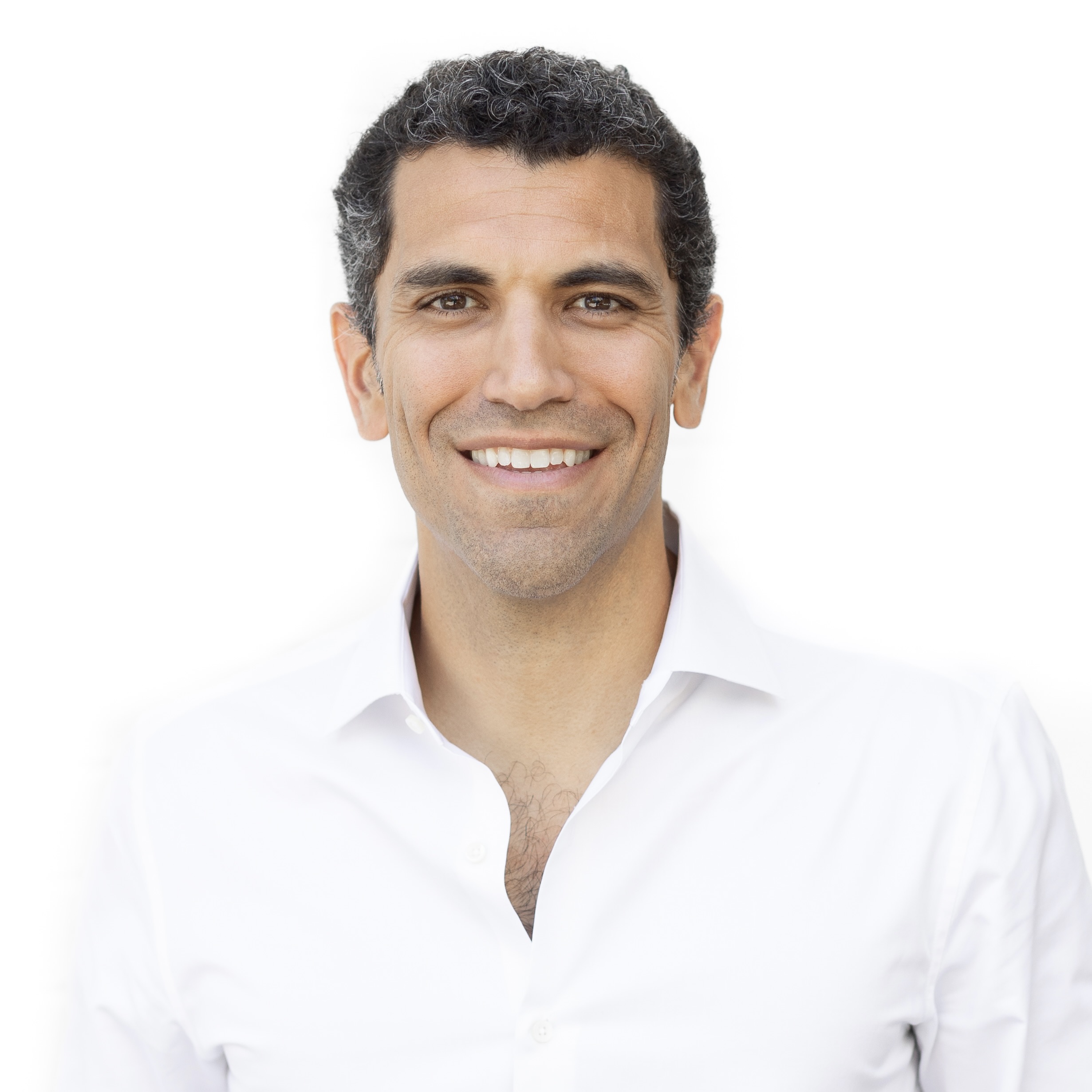
Kevin Vela
Kevin is the managing partner at Vela Wood. He focuses his practice in the areas of venture financing, M&A, fund representation, and gaming law.
Learn More